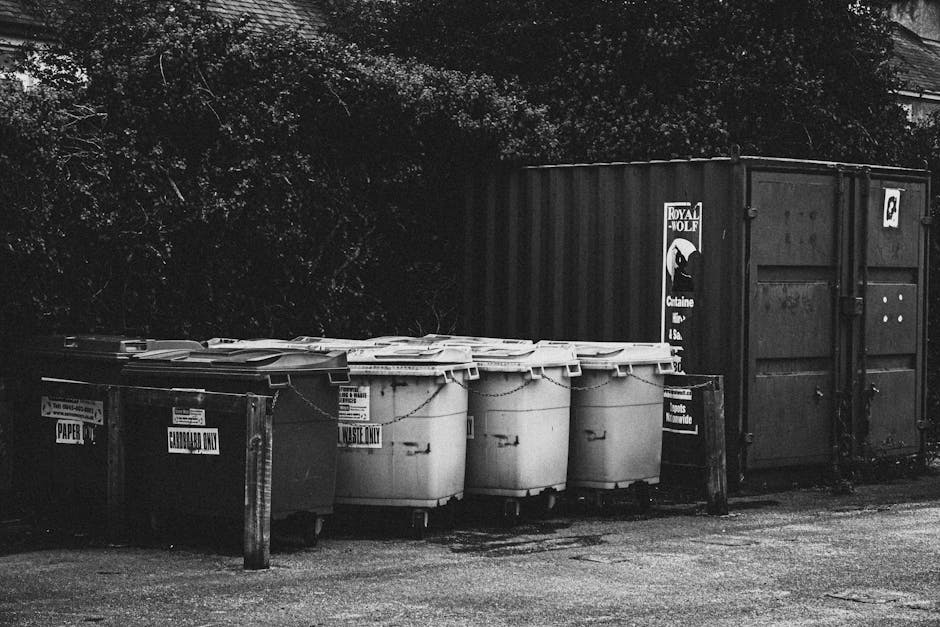
Council limits on trade waste and cleaning waste Kingston upon Thames: a practical guide for businesses and cleaners
If you run a cleaning job, manage a property, or handle commercial premises in Kingston upon Thames, waste is never just "rubbish." Council limits on trade waste and cleaning waste Kingston upon Thames can affect what you can put out, how much you can store, when it can be collected, and whether you need a licensed waste carrier. That sounds dry, but in real life it can mean fewer missed collections, less mess in a service yard, and a lot less risk of awkward phone calls later on.
In our experience, the biggest issues happen when cleaning waste is treated like ordinary household waste. Mops, cloths, vacuum contents, packaging, dirty water, wash-down residue, and post-clean debris can all need a more careful approach. This guide walks you through what the limits usually mean, why they matter, and how to stay on the right side of council expectations without overcomplicating the job.
Why Council limits on trade waste and cleaning waste Kingston upon Thames Matters
Trade waste is different from domestic waste because it comes from a business, a trade, or a service activity. Cleaning waste sits in a slightly awkward middle ground. Some of it is harmless and dry, while some of it is contaminated, bulky, wet, or simply too much for standard collection bins. The council cares because waste needs to be stored safely, collected legally, and handled without causing nuisance, odour, spillages, pests, or blocked access points.
For businesses in Kingston upon Thames, this matters for three practical reasons. First, you need to avoid overfilling bins and leaving bags where they should not be. Second, you want to avoid paying for the wrong size or type of collection. Third, you need to reduce the risk of contamination, especially if cleaning waste includes chemicals, absorbent materials, or residues from specialist work.
A simple example: an office deep clean on a Friday night can produce full vacuum canisters, disposable cloths, wiped-down packaging, and maybe a pile of worn-out consumables. If those are left beside a bin because the bin is at capacity, you may breach site rules or council expectations, and the mess becomes obvious by Monday morning. Not ideal. Not even close.
This is also where service planning comes in. A cleaning team that understands commercial cleaning needs usually thinks ahead about waste volume, storage space, and removal timing, instead of hoping the bin cupboard will somehow cope.
How Council limits on trade waste and cleaning waste Kingston upon Thames Works
There is no single universal rule that covers every business waste scenario in Kingston upon Thames. In practice, limits are shaped by a mix of council collection arrangements, site capacity, waste type, storage conditions, and how often waste is removed. The key idea is simple: if the waste came from your business activity, you should treat it as trade waste unless there is a clear reason not to.
Most premises need to think about four things.
- Volume: how much waste you generate between collections.
- Type: general waste, recyclables, bulky cleaning debris, or contaminated material.
- Storage: whether bins, sacks, and containers can be kept tidy and secure.
- Collection frequency: daily, weekly, ad hoc, or after a one-off job.
Cleaning waste is often lighter than construction waste, but it can still become a problem quickly. Think of an office cleaning job after a busy week, or a end of tenancy cleaning day where packaging, disposable cloths, and unwanted items mount up faster than you expect. Even a routine one-off cleaning visit can produce more waste than the site's usual bin arrangement is ready for.
The council limit side of the picture is often less about a magic number and more about whether your waste setup is reasonable, compliant, and not causing an issue for neighbours or waste crews. If collection staff cannot safely access bins, or sacks are left outside the agreed storage point, that becomes a problem very quickly.
One thing people forget: wet waste behaves differently from dry waste. A few soaked cloths can make a small bin smell much worse than a bigger bin full of dry packaging. Simple, yes. But easy to miss when you are in a hurry.
Key Benefits and Practical Advantages
Managing trade waste properly is not only about avoiding penalties or complaints. There are some very practical gains that matter day to day, especially for cleaners, landlords, managing agents, and small businesses.
- Cleaner premises: fewer overflowing bins and less clutter around service areas.
- Better hygiene: less chance of smells, pests, and liquid leaks.
- Fewer disruptions: collection routines become predictable instead of chaotic.
- Lower risk: staff are less likely to handle stray bags or hazardous residue incorrectly.
- More professional presentation: especially important in offices, rentals, retail units, and shared buildings.
There is also a commercial upside. When a cleaning business plans waste properly, it can quote more accurately and avoid nasty surprises. That is one reason many clients prefer working with teams that understand both the cleaning itself and the waste side of the job. If you are comparing providers, it can help to review pricing and quotes alongside the scope of waste handling, because the cheapest option is not always the cleanest one in the end.
From a reputational point of view, good waste control signals that a business is organised. In shared buildings, that matters more than people admit. A tidy bin area tells residents and tenants that somebody is paying attention.
Who This Is For and When It Makes Sense
This topic is relevant to a wider group than many people first assume. If your work creates cleaning waste, even occasionally, you should know the basics.
- Commercial cleaning companies dealing with regular site waste.
- Office managers who oversee bin storage and collection arrangements.
- Landlords and letting agents handling post-tenancy clear-ups.
- Retail and hospitality businesses that produce frequent disposable waste.
- Block managers and caretakers managing shared bin areas.
- Domestic clients running a major spring clean, renovation tidy-up, or declutter.
It especially makes sense when the cleaning job is bigger than usual. A normal weekly clean in a house is one thing. But a deep cleaning project, an after builders cleaning job, or a move-out day can generate waste that needs a proper plan rather than just extra bin bags and good intentions.
If you manage commercial premises, you may also need to align waste planning with building rules and access windows. A service that includes communal area cleaning or office cleaning often has to work around shared storage, loading bays, and timed collections. That is where the limits become very real, very fast.
Step-by-Step Guidance
If you are trying to get this right without overthinking it, use a simple process. Honestly, simple usually wins.
- Identify the waste type. Separate ordinary dry waste from anything wet, contaminated, or chemically treated.
- Estimate the volume. Check whether a job will fit your usual bin setup or needs extra sacks, extra capacity, or a one-off uplift.
- Check the storage point. Make sure waste can be kept where it will not block access, leak, or create a smell problem.
- Decide who removes it. Internal staff, a regular collection service, or a licensed waste contractor may be appropriate depending on the waste.
- Keep waste separated. Do not mix dry recyclables with contaminated cleaning materials if you can avoid it.
- Document the plan. For commercial jobs, write down what goes where, who is responsible, and when it will be collected.
- Review after the job. If waste piled up or the bins were full, adjust the plan next time.
For cleaning teams, this is where a job sheet can save a lot of grief. A quick note like "large wipe-down, two bags of disposable cloths, one wet caddy, packaging removed" sounds mundane, but it stops assumptions. Tiny detail, big payoff.
If the job involves specialist soft furnishings or floor care, pairing waste planning with the right service matters. For instance, a carpet refresh may leave more dry debris than expected, while upholstery cleaning can create used pads, lint, and wrapping waste. A careful team will plan for that before the first cloth is lifted.
Expert Tips for Better Results
Here are the habits that tend to separate smooth operations from messy ones.
Keep a waste map for the site. Even a rough sketch helps. Mark the storage point, the collection point, and the route between them. In a busy building, that can prevent dragging sacks through clean corridors or blocking fire exits. It sounds basic because it is basic, but basic is useful.
Use the right liners and containers. Weak bags split. Split bags become leaks. Leaks become complaints. If you have ever watched a black sack drip onto a freshly cleaned floor, you will know the mood changes instantly.
Separate reusable from disposable material. Some cleaning waste should not be treated as waste at all. Cloths, pads, mop heads, and tools may be reusable if they are cleaned and stored properly.
Schedule waste removal before a big job, not after it. This is one of the simplest ways to avoid overflow. If you know a large clean is coming, make the collection plan first. Then do the work.
Train staff on "what not to do." Most mistakes are not dramatic; they are small habits repeated. Leaving bags next to a full bin. Topping up an overfilled container. Putting food waste with cleaning waste. It all adds up.
For property teams that also handle tenant transitions, it can be useful to combine waste planning with move-out cleaning or move-in cleaning. Those jobs often reveal hidden waste issues like abandoned packaging, old fixtures, and damp disposable material tucked away in cupboards. A bit of foresight saves time later.
Common Mistakes to Avoid
Most waste problems come from a handful of repeat mistakes. Avoid these and you are already ahead.
- Assuming all cleaning waste is general waste. Not always true, especially if chemicals or contaminated materials are involved.
- Overfilling bins. This creates spill risk and collection problems.
- Leaving sacks outside storage areas. It can look untidy and may breach site rules.
- Mixing recyclables with contaminated waste. Once mixed, the whole batch may need to be treated differently.
- Ignoring wet waste. It smells quicker than dry waste and can create drainage or pest issues.
- Failing to plan for one-off jobs. Big cleans need extra thought, not just extra effort.
A slightly less obvious mistake is not checking how the cleaning method affects waste. For example, a steam carpet cleaning job may produce less visible waste but more damp extraction residue, while pet stain odour removal can involve heavily contaminated disposable material that should not sit around all day.
And yes, it is tempting to "deal with it later." We have all said that. Later usually arrives wearing muddy boots and asking awkward questions.
Tools, Resources and Recommendations
You do not need a lot of fancy equipment to handle this well. A sensible setup is usually enough.
- Colour-coded bins or sacks: useful for separating waste streams on busy sites.
- Heavy-duty liners: especially for wet cloths or sharp packaging edges.
- Covered storage: helps with odour, weather exposure, and security.
- Simple job notes: one line on the work order can prevent the wrong waste ending up in the wrong place.
- Clear staff instructions: nothing elaborate, just consistent.
For businesses that care about sustainability, it helps to think beyond disposal. If materials can be reused, laundered, or recycled, that should be considered before they go into general waste. The recycling and sustainability approach on a cleaning website is a useful reminder that responsible disposal starts well before collection day.
If the waste handling side is part of a service contract, make sure the paperwork is clear. The terms and conditions should reflect what is included, what is excluded, and what happens if waste volumes are higher than expected. That kind of clarity avoids the classic "I thought that was covered" conversation. Nobody enjoys that one.
Law, Compliance, Standards, or Best Practice
Without pretending every site is identical, there are some general UK compliance principles that are worth treating seriously. Businesses should keep waste controlled, stored safely, and handed over only to appropriately authorised carriers where needed. If your cleaning waste is generated by your business, it is usually wise to manage it as trade waste and not assume domestic collection rules will fit.
Best practice usually includes:
- keeping waste secure and not accessible to pests or unauthorised handling;
- preventing leakage, odour, and overflow;
- separating hazardous or contaminated material from ordinary waste;
- using a waste contractor only where their service is suitable for the waste type;
- maintaining clear internal responsibility for bin movements and collection timing.
Where a building has shared access, fire routes, or concierge-controlled storage, the compliance standard is often higher in practice than people expect. That is especially true in blocks where communal area cleaning is part of the routine. If the waste area is untidy, it reflects on everyone.
For cleaning companies, it is also sensible to review safety, insurance, and staff procedures. A robust health and safety policy and clear insurance and safety information show that waste handling is being taken seriously, not treated as an afterthought. That matters to clients. A lot.
Options, Methods, or Comparison Table
There are usually a few ways to manage trade waste and cleaning waste. The right choice depends on how much waste you generate, how often you generate it, and how predictable the pattern is.
| Method | Best for | Pros | Watch-outs |
|---|---|---|---|
| Standard on-site bins | Small, regular cleaning volumes | Simple, familiar, low effort | Can overflow fast if job sizes grow |
| Scheduled trade waste collection | Offices, shops, managed buildings | Predictable, tidy, easier to plan | Needs correct container sizing and access |
| One-off uplift or ad hoc removal | Deep cleans, clear-outs, post-event jobs | Flexible for spikes in waste | Can cost more if arranged late |
| Segregated waste streams | Businesses focused on recycling and control | Cleaner, more efficient, often more sustainable | Needs discipline from the whole team |
For a client deciding between options, the real question is not "what is cheapest?" but "what is reliable for this site?" A small office with two cleaners a week may be fine on a routine collection. A property undergoing after builders cleaning or heavy deep cleaning is a different story. Different rhythm, different waste pattern.
Case Study or Real-World Example
Here is a realistic example from a typical Kingston upon Thames-style commercial setting. Imagine a small professional office in a mixed-use building near the town centre. The site has a weekly cleaning contract, shared bin storage, and limited access to the collection area because other tenants use the same route.
The cleaners notice that Monday mornings are becoming awkward. Disposable wipes, empty product packaging, and vacuum debris are filling the bin faster than expected, and the bin store is starting to smell by Friday afternoon. Nothing dramatic, but enough that staff and visitors notice.
The fix was not complicated. The team reviewed waste volumes for three weeks, split the waste into dry and contaminated streams, and adjusted the collection timing slightly. They also changed the way they bagged wet cleaning cloths so the sacks were tied properly and stored in a covered container. Within a short time, the bin area was calmer, the odour issue reduced, and collection access became easier.
The lesson? Waste problems usually look bigger than they are because they are repeated every week. Once the pattern is visible, the solution tends to be boring, practical, and surprisingly effective.
Practical Checklist
Use this quick checklist before and after cleaning jobs that create trade waste or larger volumes of cleaning waste.
- Have I identified whether the waste is dry, wet, contaminated, or recyclable?
- Is the bin or storage area big enough for today's job?
- Do staff know where waste should go during the clean?
- Are bags strong enough to avoid leaks or splits?
- Will the collection timing match the job timing?
- Have I kept waste away from fire exits, walkways, and customer-facing areas?
- Is anything hazardous or unusual being handled separately?
- Have I checked the site rules for shared bins or communal storage?
- Are the terms of service clear if waste volumes increase?
- Did we review what happened after the last big clean?
If you can answer yes to most of those, you are usually in good shape. Not perfect, maybe, but solid. And solid is what you want here.
Conclusion
Council limits on trade waste and cleaning waste Kingston upon Thames are really about control, clarity, and consistency. If you understand what type of waste you are creating, how much of it there is, and where it will go, the whole process becomes far easier. That is true whether you run a business, manage a building, or simply need to plan a larger cleaning job with fewer surprises.
Keep it simple. Separate waste properly, plan collections before the job starts, and make sure your team knows the routine. Small habits make a big difference, especially in a busy local area where access, storage, and timing all matter. And if you want cleaning support that fits neatly around those realities, choose a service that understands the practical side as well as the visible finish.
Get a free quote today and see how much you can save.
When waste is handled well, everything else tends to feel lighter. Cleaner floors, calmer staff, fewer headaches. That is a pretty good outcome, all told.
Frequently Asked Questions
What counts as trade waste in Kingston upon Thames?
Trade waste usually means rubbish created by a business, trade, or service activity rather than normal household living. In cleaning work, that can include disposable cloths, packaging, vacuum contents, damaged consumables, and other material generated while doing the job.
Is cleaning waste always treated as trade waste?
Not always, but often it should be. If the waste comes from a commercial cleaning operation or a business premises, it is usually safest to treat it as trade waste unless there is a clear reason not to. The key is to avoid guessing.
Do council limits mean I can only use one bin?
No, not necessarily. Limits are more about the arrangement being suitable for the amount and type of waste you produce. A site may need multiple bins, a bigger container, or more frequent collections depending on the workload.
What happens if my cleaning waste overflows the bin?
Overflowing waste can create odour, pests, access problems, and a poor impression. It may also breach site rules or council expectations if waste is left outside the agreed storage area. The best fix is usually to increase capacity or collection frequency before the problem repeats.
Can wet cleaning cloths go in general waste?
Sometimes yes, but they should be handled carefully. Wet waste is more likely to smell and leak, so it needs strong bags and proper storage. If the material has been contaminated with chemicals or unusual substances, it may need separate treatment.
Do I need a waste carrier for cleaning waste?
That depends on who is removing it and what kind of waste it is. Businesses should be cautious and make sure any contractor they use is suitable for the material being collected. For commercial jobs, it is better to confirm the arrangement than assume it is covered.
How can I reduce cleaning waste without slowing the job down?
Use reusable cloths where suitable, separate recyclable packaging, avoid over-ordering consumables, and plan collection points in advance. A tidy waste routine usually saves time rather than costing it.
What is the main risk of ignoring trade waste limits?
The main risk is that waste starts to create a visible and practical problem: smells, pests, blocked access, complaints, or collection issues. There is also the reputational side. A messy bin area can make a business look careless very quickly.
Does deep cleaning create more waste than regular cleaning?
Usually yes. A deep cleaning job often involves more disposable materials, more packaging, and more debris than routine maintenance work. It is one of the clearest moments when waste planning becomes important.
Should landlords and agents think about waste limits too?
Absolutely. Landlords and agents often deal with move-outs, clear-outs, and urgent turnaround work. A house clearance or end-of-tenancy situation can generate more waste than expected, especially when items have been left behind or damaged.
How do I know if my current setup is enough?
If bins are regularly full, bags are stored outside the agreed area, or collections feel rushed, the setup is probably too tight. A good rule of thumb is that waste should look under control most of the time, not only on good days.
Where should I start if I'm unsure about compliance?
Start with the waste type, the storage area, and the collection schedule. Then check your service paperwork and site rules. If you need cleaning support too, look for a provider that understands both the cleaning and the practical waste side. It makes life much easier, really.