Spring cleaning Kingston upon Thames 2027 checklist
Spring has a funny way of making everything feel suddenly visible. The dust on skirting boards, the marks on windows, the forgotten corner behind the sofa. If you are planning a Spring cleaning Kingston upon Thames 2027 checklist, the goal is not just to make the home look neat for a weekend. It is to reset the place properly, without wasting time or tackling the wrong jobs first.
This guide is built for real homes in Kingston upon Thames: period terraces, modern flats, family houses, rented properties, and busy shared spaces that collect the usual winter clutter. You will find a practical spring-cleaning plan, a room-by-room checklist, a few local-minded tips, and some honest guidance on when a DIY clean is enough and when it makes sense to bring in help. Simple enough. But useful, too.
Let's face it, spring cleaning can get chaotic if you start with the wrong room. One minute you are wiping down shelves, the next you are staring at a pile of stuff from three rooms and wondering how it happened. So the checklist below is designed to keep things calm, steady, and actually finishable.
- Why this checklist matters
- How the spring clean works
- Benefits and practical advantages
- Who it is for
- Step-by-step guidance
- Expert tips
- Common mistakes to avoid
- Tools, resources and recommendations
- Law, compliance and best practice
- Options and comparison
- Real-world example
- Practical checklist
- Conclusion
- Frequently asked questions
Why Spring cleaning Kingston upon Thames 2027 checklist Matters
A proper spring clean is more than a tidy-up. In Kingston upon Thames, where many households juggle commuting, family life, shared entrances, and compact storage, grime builds up quietly. Windows dull down, bathrooms lose their shine, and overlooked spaces start to feel heavier than they should. A checklist gives you structure, which is really the main thing.
The 2027 angle matters too. Home standards keep shifting a bit over time. People now expect cleaner worktops, fresher soft furnishings, better waste handling, and more attention to indoor air quality than they might have done a few years ago. Even if you are just cleaning your own home, these expectations shape what "done properly" looks like.
There is also a practical side. A spring clean is often the easiest time to spot maintenance issues early: mould around a bathroom seal, a leaking washer under the sink, a blocked gutter, or a carpet stain that needs more than a quick scrub. Catching that stuff early saves hassle later. And money, frankly.
For landlords, tenants, homeowners, and small business owners alike, a well-planned clean helps keep standards consistent. It is especially useful in Kingston, where properties can range from older homes with a bit of character to new-build flats where dust seems to appear overnight. How does that happen? Nobody knows. It just does.
How Spring cleaning Kingston upon Thames 2027 checklist Works
The simplest way to think about spring cleaning is in layers. First, declutter. Then dust, wipe, wash, and finish with the details. That order matters because cleaning around clutter is a false economy. You spend energy moving things twice, which is not ideal on a Saturday morning when the tea has gone cold and the radio is getting on your nerves.
A good checklist also works room by room and task by task. That way you avoid the common trap of starting every room and finishing none. In practice, the process usually looks like this:
- Choose your priorities: the whole home, selected rooms, or a deep clean after winter.
- Gather supplies before you begin so you are not running back and forth.
- Declutter visible surfaces and remove items that do not belong there.
- Work from top to bottom so dust and debris fall onto areas you have not cleaned yet.
- Finish with floors, soft furnishings, and final touch-ups.
If you live in a flat or shared building, the same method still applies, but the order may need adjusting around communal spaces, access times, and noise. A little planning avoids awkwardness. Truth be told, it also avoids complaints from neighbours who would rather not hear vacuuming before breakfast.
Think of the checklist as a route map, not a rigid script. It should help you make decisions quickly: what needs attention now, what can wait, and what is better left to a specialist service such as deep cleaning or one-off cleaning if the home needs a more thorough reset.
Key Benefits and Practical Advantages
The obvious benefit is a cleaner home. The less obvious benefit is mental breathing room. A spring clean strips away the visual noise that builds up over winter: old receipts on the counter, dusty radiators, neglected corners, the odd shoe that somehow ended up in the kitchen. You notice the space differently afterwards. It feels lighter.
Here are the practical gains that matter most:
- Better hygiene: dust, grime, and hidden build-up are removed more thoroughly.
- Improved appearance: rooms look brighter, fresher, and more cared for.
- Longer-lasting surfaces: regular maintenance can help protect carpets, upholstery, floors, and fixtures.
- Less stress: a clean environment tends to feel easier to manage day to day.
- Smarter maintenance: you spot wear, leaks, and damage before they spread.
There is also a time-saving angle. A structured spring clean reduces the number of mini-cleans you need later on. You know the sort of thing: wiping the same shelf three times because you never fully cleared it in the first place. Been there, done that, regretted it.
For households with pets, children, allergies, or high footfall, a more detailed spring clean can make a noticeable difference. Soft furnishings and carpets trap debris, and kitchens and bathrooms need a better system than a quick weekly wipe. In some cases, services like carpet cleaning, sofa cleaning, or oven cleaning are the difference between "tidy" and genuinely refreshed.
Who This Is For and When It Makes Sense
This checklist is for anyone who wants a cleaner, more orderly home in Kingston upon Thames without drifting into chaos halfway through. That includes first-time homeowners, busy families, tenants preparing for inspections, landlords keeping standards consistent, and residents who simply want their place to feel decent again after winter.
It makes particular sense when:
- you have not done a proper deep clean for several months;
- the home has built-up dust, grease, or stains in overlooked areas;
- you are preparing for guests, a move, or a tenancy change;
- you want to reset the home after damp, muddy weather, or heavy indoor use;
- you need to organise your cleaning jobs in a sensible order.
For renters, spring cleaning is often the point where minor issues become obvious. A stain on the carpet, limescale in the bathroom, or damage around a window frame can be easier to address before a routine inspection turns up. For homeowners, it is a chance to catch maintenance jobs before they become expensive irritations. For businesses, especially smaller offices or serviced spaces, it can support a better first impression and a more comfortable work environment. If that is your situation, office cleaning or commercial cleaning may be worth considering alongside your in-house routine.
And if you are staring at the house thinking, "Where on earth do I even start?" - you are not alone. Start with one room. That first win makes the next one easier.
Step-by-Step Guidance
The most reliable spring cleaning process is methodical, not dramatic. You do not need to clean everything in one heroic burst. In fact, that usually ends with sore shoulders and an unfinished hallway. A steadier approach works better.
1. Plan the clean before touching a cloth
Walk through the home and note the jobs that matter most. Focus on the areas that show dirt fast or affect daily comfort: kitchen, bathroom, entryway, living room, and the main bedroom. In smaller Kingston flats, this can take less time than people expect, but only if you keep it focused.
2. Declutter first
Gather items that do not belong in each room. Put away clothes, papers, cords, toys, and odd bits that have drifted about. It is not glamorous, but it makes every later step easier. If a drawer or cupboard is full of things you never use, now is the moment to be honest about it.
3. Dust high surfaces before low ones
Start with shelves, picture frames, light fittings, curtain rails, and the tops of cupboards. Then move down to skirting boards, switches, and furniture edges. Dust tends to fall, so the top-down rule saves time. You really do not want to clean the same shelf twice.
4. Clean the kitchen properly
The kitchen is usually the biggest spring-clean job. Pay attention to grease around hobs, inside the oven, under appliances, splashbacks, cupboard handles, and the fridge seals. A small build-up here can make the whole room feel tired. If the oven is long overdue, professional oven cleaning can save a lot of elbow grease.
5. Tackle bathrooms with patience
Bathroom cleaning is less about speed and more about detail. Scrub grout, descale taps, clear the plugholes, and inspect seals for black marks or wear. Ventilation matters too. A clean bathroom that still smells damp usually needs better airflow, not more fragrance spray.
6. Refresh soft furnishings and floors
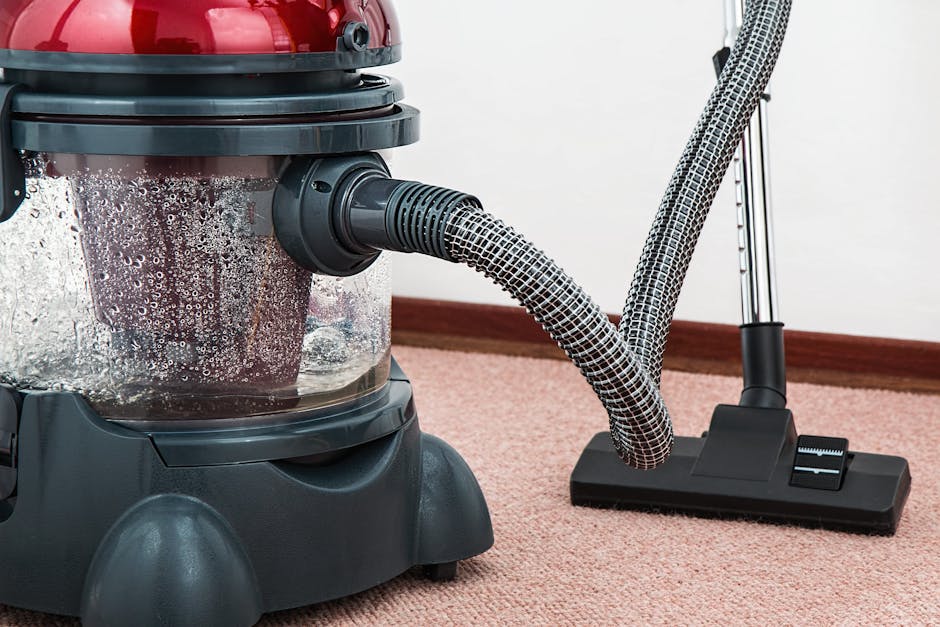
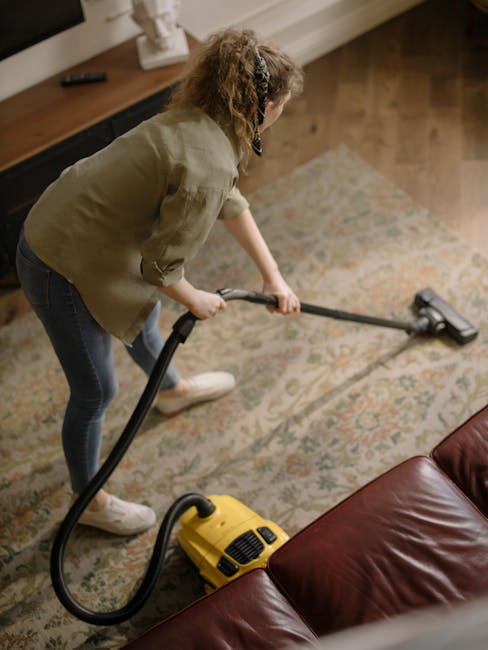
Vacuum rugs, carpets, and upholstery slowly rather than rushing over them. Move cushions, clean under sofa edges, and check for pet hair in the seams. If stains are set in, a more specialist service such as rug cleaning, upholstery cleaning, or stain removal can make a meaningful difference.
7. Finish with glass, mirrors, and touch points
Windows, mirrors, switches, handles, and bannisters are the final polish. These are the things people notice without really noticing. A bright window in the morning light can change how a room feels, especially on a grey Kingston day when the weather has not quite made up its mind.
8. Review the forgotten bits
Check behind doors, under beds, around radiators, and in awkward corners. There is almost always one forgotten area. Usually the one that annoys you later. Better to catch it now.
Expert Tips for Better Results
If you want the clean to feel genuinely complete, a few small habits make all the difference.
- Use a timer: a 25- or 30-minute focus block often works better than an open-ended afternoon of vague effort.
- Work room by room: finishing one space creates momentum and a visible result.
- Keep two cloths handy: one for dusting, one for damp wiping. It sounds basic, but it stops smear buildup.
- Open windows briefly: fresh air helps remove that stuffy winter feeling, especially after kitchens and bathrooms.
- Use the right product for the surface: wood, stone, laminate, upholstery, and glass all have different needs.
A small but useful tip: clean from the point of view of actual use, not just appearance. For example, cupboard handles, light switches, sink taps, and remote controls often need attention before decorative shelves do. The eye goes to the pretty stuff. The hands go to everything else.
If you are cleaning a property to prepare it for guests or an upcoming handover, consider pairing the spring clean with move-out cleaning or move-in cleaning standards. That way the home feels properly reset, not just surface-cleaned.
Common Mistakes to Avoid
Most spring cleaning mistakes are completely avoidable, which is both good news and mildly annoying. Good news because you can fix them. Annoying because, well, they keep happening.
- Starting without a plan: you will lose time and energy if you begin randomly.
- Cleaning before decluttering: this creates extra work and clutters the result.
- Using the wrong cleaning product: some surfaces mark easily, and not every spray belongs on every material.
- Ignoring hidden areas: behind appliances, under furniture, and along skirting boards matter more than people think.
- Doing everything in one go: fatigue leads to shortcuts, and shortcuts leave residue behind.
- Forgetting waste disposal: cleared items, packaging, and cleaning waste still need to go somewhere sensible.
One especially common issue in Kingston homes is underestimating how much dust accumulates around older windows, radiators, and fitted furniture. It sneaks up on you. You look away for a season and suddenly the place feels older than it is.
If you are dealing with bulky rubbish, damaged items, or leftover clutter from a bigger spring reset, it may be better to separate cleaning from clearance. A service like house clearance can help when the home needs a more serious declutter before the actual clean begins.
Tools, Resources and Recommendations
You do not need an enormous kit to do a good spring clean. In fact, too many products can slow you down. A sensible set of tools is usually enough.
| Item | Best use | Why it helps |
|---|---|---|
| Microfibre cloths | Dusting, wiping, polishing | They trap dust well and reduce streaking |
| Vacuum with attachments | Floors, corners, upholstery, edges | Helps reach awkward areas and soft furnishings |
| Bucket and mop | Hard floors and tiled areas | Useful for a deeper floor reset |
| Non-abrasive cleaning spray | General surfaces | Safer for most everyday finishes |
| Rubber gloves | Protecting hands during wet work | Comfort matters when you are cleaning for a few hours |
| Scrub brush or old toothbrush | Grout, corners, seals, fittings | Helps reach detail areas without overdoing it |
For fabric and floor care, services such as hard floor cleaning, steam carpet cleaning, or mattress cleaning may be worth looking at if the home needs deeper restorative work rather than a simple surface clean.
It is also worth thinking about sustainability. If you are disposing of packaging, worn-out items, or cleaning-related waste, it helps to plan ahead instead of filling the bin in one dramatic burst. A practical approach to recycling and sustainability is simply part of sensible housekeeping now.
Law, Compliance, Standards, or Best Practice
For most households, spring cleaning is not a regulated task in itself. Still, there are sensible UK best practices to keep in mind, especially if you are cleaning a rented property, running a business, or disposing of waste in larger amounts than usual.
First, waste handling. If you are throwing out bulky items, old furnishings, or large bags of debris, it is worth checking that you are disposing of them responsibly and in line with local expectations. Cleaning waste should not be left in common areas, on pavements, or anywhere that could cause a nuisance. If your clean produces more than a normal household amount of rubbish, plan ahead rather than improvising at the last minute.
Second, safety. Cleaning products should be used according to their instructions. Do not mix chemicals just because two bottles are nearby. That is not a clever shortcut. It is a bad idea. Ventilate rooms when needed, keep products away from children and pets, and take extra care on wet floors.
Third, landlord and tenancy expectations. Tenants are generally expected to leave properties reasonably clean and free from avoidable damage at the end of a tenancy. Landlords, meanwhile, should aim for clear, fair standards and proper communication. If you are preparing a rental property, a service such as end of tenancy cleaning may be more suitable than a basic home tidy-up.
Fourth, insurance and trust. If you are hiring external help, it is sensible to check that the company has appropriate safeguards in place. Pages like insurance and safety, health and safety policy, and payment and security are the kind of things careful customers look at before booking. Quite rightly too.
Options, Methods, or Comparison Table
Not every spring clean needs the same level of effort. The right option depends on time, condition, and how much disruption you can tolerate. Here is a straightforward comparison.
| Approach | Best for | Pros | Limits |
|---|---|---|---|
| DIY spring clean | Light to moderate upkeep | Flexible, low cost, full control | Time-consuming; easy to miss hidden areas |
| Room-by-room professional help | Problem areas like carpets, ovens, bathrooms | Targeted results, less stress | Requires booking and coordination |
| Whole-home deep clean | Heavier build-up, busy households, move preparation | Most thorough reset | Higher upfront effort or cost |
| Ongoing regular cleaning | People who want standards maintained year-round | Prevents deep build-up, easier upkeep | May not address long-term grime alone |
For many Kingston households, the sweet spot is a mix: do the basic sorting yourself, then bring in specialist help for the stubborn bits. That might mean a regular cleaning schedule to maintain standards, plus a one-off deeper treatment for carpets or upholstery when needed. Sensible, really.
Case Study or Real-World Example
Here is a realistic example from the kind of property many people recognise in Kingston: a two-bedroom flat near the station, busy weekday routine, one small storage cupboard that quietly became the family dumping ground. You know the type. Nothing dramatic, just a bit of everything everywhere.
The clean started with a clear order: declutter the hallway, deal with the kitchen, then tackle the living room, bedrooms, and bathroom. The homeowner set aside bags for keep, donate, and discard, which made the sorting stage much faster than expected. The kitchen took the longest because of built-up grease around the hob and cupboard handles. The sofa had pet hair in the seams, and the bedroom carpet showed a few dull patches from winter traffic.
What made the difference was not fancy products. It was sequence. Once clutter was removed, the dusting became easier. Once surfaces were cleared, the room actually looked clean instead of merely rearranged. A targeted clean for the soft furnishings and carpets finished the job, and the flat felt brighter by the afternoon. Not brand-new, obviously, but noticeably fresher. The sort of clean you can feel when you walk through the door.
That is the real lesson of spring cleaning in Kingston upon Thames: small, disciplined steps beat a giant, exhausting blitz. Every time.
Practical Checklist
Use this checklist as a working plan. Tick off each job as you go, and do not worry if you split it across two days. That is often the saner choice.
- Plan the day - choose your rooms, gather tools, and set realistic time blocks.
- Declutter each space - remove items that do not belong and sort what stays.
- Dust high to low - shelves, frames, lamps, tops of cupboards, then skirting boards and fittings.
- Clean the kitchen - hob, splashbacks, cupboard fronts, fridge seals, sink, oven, and handles.
- Clean bathrooms thoroughly - taps, tiles, grout, seals, mirrors, shower screens, and vents.
- Vacuum soft furnishings - sofas, chairs, cushions, under furniture, and fabric edges.
- Deep clean floors - vacuum, mop, or arrange specialist floor treatment if needed.
- Wash windows and mirrors - both inside and any reachable glass that has dulled.
- Check hidden areas - behind doors, under beds, behind radiators, and inside cupboards.
- Dispose of waste responsibly - separate rubbish, recycling, and bulky items where possible.
- Final walkthrough - look for spots you missed and tidy the finishing details.
Quick expert summary: if your home only needs a refresh, stick to declutter, dust, wash, and vacuum. If you are dealing with set stains, heavy grime, or a property that has simply been neglected for a while, add specialist support rather than trying to brute-force everything in one day.
Get a free quote today and see how much you can save.
Conclusion
A well-planned spring clean is one of the easiest ways to make a Kingston home feel healthier, calmer, and more manageable. The trick is not to do everything at once. The trick is to work in the right order, keep the checklist realistic, and spend your energy where it actually shows. That is how the job gets done without turning into a weekend-long drama.
If you use this Spring cleaning Kingston upon Thames 2027 checklist properly, you will end up with more than a tidy home. You will have a clearer routine, a better sense of what needs maintenance, and a space that feels lighter to live in. And that is a nice thing, honestly. Especially when the weather starts shifting and the house finally gets a bit of spring back in it.
Take it one room at a time, keep the pace steady, and do not be afraid to ask for help where it makes sense. A good clean should feel like a fresh start, not a punishment.
Frequently Asked Questions
What should be on a spring cleaning checklist for a Kingston upon Thames home?
It should include decluttering, dusting high and low surfaces, deep cleaning the kitchen and bathroom, refreshing carpets and upholstery, washing glass and mirrors, and checking hidden areas like skirting boards, under beds, and behind appliances.
How long does a proper spring clean usually take?
That depends on the size and condition of the property. A small flat might take a day or part of a day, while a larger family home can take longer, especially if you are also organising storage spaces and tackling stubborn grime.
Is it better to clean room by room or do all the same task at once?
Room by room is usually easier for most people because it gives visible progress and keeps you organised. Doing one task across the whole house can work for experienced cleaners, but it can also feel scattered if you are short on time.
What areas do people most often forget during spring cleaning?
Common missed spots include behind radiators, tops of cupboards, light switches, door frames, under sofas, inside bin cabinets, and the edges of carpets where dust tends to build up quietly.
Should I hire a professional cleaner for spring cleaning?
If the home is heavily built up, you are short on time, or you need a deeper result in key areas, professional help can be worthwhile. It is especially useful for carpets, ovens, upholstery, and move-related cleaning.
What is the difference between spring cleaning and deep cleaning?
Spring cleaning is often a seasonal full-home refresh, while deep cleaning usually means a more intensive, detailed clean of specific areas or the whole property. In practice, the two overlap quite a lot.
How do I spring clean a flat without annoying neighbours?
Keep noise-sensitive jobs to reasonable hours, avoid dragging furniture, and plan vacuuming or heavier tasks for a sensible time of day. If you are in a shared building, a little timing awareness goes a long way.
What cleaning jobs matter most before tenants move out?
Focus on kitchens, bathrooms, carpets, walls, windows, and any marks or build-up that would be obvious during inspection. A more complete end of tenancy cleaning approach is often the safest route if you want everything to look properly finished.
Can spring cleaning help reduce dust or allergens?
It can help reduce visible dust and remove build-up from carpets, fabrics, and surfaces. For homes with ongoing sensitivity issues, regular upkeep matters more than one big annual clean, though, so it is best seen as part of a wider routine.
What should I clean first: kitchen, bathroom, or living room?
Usually start with the most used or most neglected area. In many homes that is the kitchen, because grease and food residue are harder to deal with if left too long. Bathrooms are often the next priority.
How do I know if I need a one-off clean or regular cleaning?
If the home just needs a reset, a one-off clean may be enough. If keeping the place tidy is a struggle because of work, family life, or shared spaces, a regular cleaning arrangement can be more practical and less stressful over time.
Are there any waste or disposal issues to think about during spring cleaning?
Yes. Large amounts of clutter, broken items, and bulky waste should be handled responsibly. It is better to separate rubbish, recycling, and reusable items where possible, rather than leaving everything in one pile at the end.
What is the best way to keep the home clean after the spring clean?
Set a light weekly routine for the high-use areas, then do a small reset each month. That prevents grime from building up again and means the next spring clean is far less dramatic. Which, let's be honest, is a win.