Upholstery Cleaning Job Case Study Hampton Wick End Result
If you are looking for a real-world view of an upholstery cleaning job case study Hampton Wick end result, you are probably after two things: proof that the work can be done properly, and a clear idea of what "good" actually looks like once the fabric has dried. Fair enough. Nobody wants a vague promise, especially when a sofa or armchair is a noticeable part of the room and, let's face it, often the most used seat in the house.
This article walks through how a typical upholstery clean is assessed, prepared, treated, and finished, with a focus on the kind of result homeowners in Hampton Wick usually want: brighter fabric, better freshness, reduced staining, and a finish that still feels soft rather than over-wet or harsh. You will also see what affects the final outcome, which mistakes to avoid, and how to judge whether a job was genuinely worthwhile.
For readers comparing upholstery cleaning with broader property care, it can also help to look at related services such as sofa cleaning, stain removal, and deep cleaning. Those services often overlap in real life, because upholstery issues rarely arrive neatly on their own.
Table of Contents
- Why Upholstery cleaning job case study Hampton Wick end result matters
- How the cleaning process works
- Key benefits and practical advantages
- Who this is for and when it makes sense
- Step-by-step guidance
- Expert tips for better results
- Common mistakes to avoid
- Tools, resources and recommendations
- Law, compliance, standards, or best practice
- Options, methods, or comparison table
- Case study or real-world example
- Practical checklist
- Conclusion
- Frequently Asked Questions
Why Upholstery cleaning job case study Hampton Wick end result Matters
A case study is useful because it shows the difference between a service description and an actual finish. Anyone can say a sofa will be cleaned. The useful question is: what does that change in the room, on the fabric, and in daily use?
In Hampton Wick homes, upholstery often gets a steady mix of everyday wear: children climbing on the armrests, a dog choosing the same cushion every evening, coffee near the edge of the seat, and general dust settling into the weave. Over time, the fabric can start to look tired even when the furniture is still structurally sound. A proper cleaning job should address that without making the item feel stiff, overly damp, or patchy.
The end result matters for another reason too: upholstery is not just about appearance. A cleaner item usually smells fresher, feels nicer to sit on, and gives the whole room a more cared-for look. That matters in homes, rented properties, short-let spaces, and even offices where reception seating says a lot before anyone speaks. A smart-looking sofa can quietly improve the whole space. Simple as that.
There is also a trust element. When someone searches for a Hampton Wick upholstery cleaning case study, they are often trying to judge whether the cleaner understands fabric types, stains, drying times, and realistic expectations. You do not want a dramatic "before and after" promise that ignores shrinkage risk, dye sensitivity, or the fact that some marks are permanent. Honest results are more valuable than exaggerated ones.
Expert summary: The best upholstery cleaning end result is not just a lighter-looking seat; it is a fabric that looks improved, smells clean, dries properly, and still feels comfortable to use.
How Upholstery cleaning job case study Hampton Wick end result Works
The process usually starts with inspection. That sounds obvious, but it is the part that separates a careful job from a rushed one. The cleaner checks the fabric type, identifies obvious stains, looks for wear, and tests how the material reacts to moisture or cleaning solution. On certain fabrics, that first test is the difference between a safe finish and a very awkward conversation later.
From there, the work normally follows a sequence. Dry soil and loose debris are removed first. Then the fabric is pre-treated where needed, especially on traffic marks, food spills, or body oils around headrests and armrests. After that comes the main clean, which may use hot water extraction, low-moisture methods, or another fabric-safe approach depending on the item. The aim is to lift embedded dirt without over-saturating the upholstery.
Rinsing and residue control are a big deal here. If detergent is left behind, the fabric can re-soil faster or feel slightly sticky. Not ideal. A decent finish means the upholstery is left as clean as possible with minimal residue, then dried carefully with airflow and sensible room conditions.
In a job case study, the end result is judged by a few practical markers:
- visual improvement in the overall colour and brightness of the fabric
- reduction of visible marks and dull patches
- better smell without a heavy chemical scent
- soft texture after drying
- no distortion, water rings, or obvious overwetting
- tidy edges and seams with no missed sections
People sometimes think upholstery cleaning is simply "wet the sofa and scrub." It really is not. The best outcomes come from controlled moisture, careful chemistry, and a bit of patience. A rushed clean can look acceptable for an hour and disappointing by the next morning.
Key Benefits and Practical Advantages
A good upholstery clean does more than improve one object. It changes how the room feels. That is probably why people keep asking for end-result examples rather than just service descriptions.
- Freshens the space: removed dust, body oils, and everyday grime can make a room feel noticeably cleaner.
- Improves visual presentation: lighter traffic areas and lifted marks make furniture look less tired.
- Helps extend usable life: dirt particles can abrade fibres over time, so regular cleaning is practical maintenance, not just vanity.
- Supports move-related cleaning goals: useful before moving out, moving in, or getting a property ready for guests.
- Better comfort: a clean, evenly finished fabric usually feels nicer to sit on.
- More professional appearance: especially helpful in offices, landlords' properties, and guest accommodation.
In Hampton Wick, where many homes balance busy family life with a fairly compact living footprint, upholstery tends to play a central role. One sofa may be used for everything: work calls, lunch, pets, film nights, and the occasional tea spill that nobody admits to. Cleaning it properly can have a surprisingly large impact on the room.
Another advantage is confidence. If you know the item has been properly inspected and cleaned, you can stop worrying about every faint shadow or old mark. That relief counts. You see it immediately in the way people use the room afterwards.
Who This Is For and When It Makes Sense
This kind of service makes sense for a wide range of people, but the timing matters. A fabric seat that is only lightly dusty may not need an urgent deep clean. A sofa with stubborn spill marks, pet odour, or visible greying in the high-contact areas probably does.
It is especially relevant for:
- homeowners who want a smarter living room without replacing furniture
- tenants preparing to move out and present the property well
- landlords wanting a cleaner, fresher letting standard
- Airbnb and short-let hosts dealing with frequent guest turnover
- families managing everyday wear, snacks, pets, and school-day chaos
- small offices with waiting-area seating that needs to look presentable
It also makes sense when a sofa or armchair still feels structurally good but looks scruffy. That is the sweet spot. If the frame is fine and the fabric is salvageable, cleaning is usually far better value than replacement.
On the other hand, if the upholstery has severe fibre damage, long-term dye loss, or old stains that have chemically set, expectations should stay realistic. A careful cleaner can still improve the item, but not every mark will vanish. Truth be told, honesty is part of the service. Nobody wins by pretending otherwise.
Step-by-Step Guidance
If you want to understand how a Hampton Wick upholstery job reaches a strong end result, the following workflow is a useful model.
- Initial inspection
Check the fabric type, condition, stains, and construction. This is where risks are spotted early. - Identify the cleaning method
Choose a method suitable for the textile and level of soiling. Delicate fibres need a lighter touch. - Dry vacuuming
Remove grit, crumbs, hair, and loose dust before any wet work begins. - Pre-treatment
Apply targeted solutions to stains, traffic marks, and greasy areas. - Agitation where needed
Use a controlled brush or textile-safe technique to loosen embedded dirt. - Main clean
Clean the fabric with the selected method, keeping moisture levels sensible. - Rinse or extract residue
Remove cleaning solution and suspended soil so the fabric does not dry sticky. - Spot check
Review any remaining marks and repeat treatment only where appropriate. - Drying support
Encourage airflow, open windows if suitable, and avoid using the item too early. - Final walkthrough
Check seams, cushions, buttons, and shaded areas for a consistent finish.
A good cleaner does not skip from step three to step eight. That shortcut usually shows up in the final result, and not in a flattering way.
Expert Tips for Better Results
Small decisions have a big effect on upholstery outcomes. A few practical tips make a noticeable difference.
- Test first, always: even sturdy-looking fabric can react badly to moisture or solution.
- Do not oversaturate: too much water can cause long drying times, wicking, or texture changes.
- Work from the outside in: this helps avoid spreading marks and gives a neater finish.
- Treat spills early: fresh stains are far easier to improve than set-in ones.
- Be careful with delicate fibres: velvet, viscose blends, and older textiles often need a gentler method.
- Allow enough drying time: using the sofa too soon can flatten fibres and reintroduce dirt.
If you are comparing services, it can also help to understand the difference between general domestic cleaning and specialised upholstery work. One keeps the home broadly tidy. The other focuses on textile care, stain control, and finish quality. They complement each other, but they are not the same job.
One slightly boring but very real tip: keep the room warm enough for drying, but not stuffy. A bit of airflow and patience goes a long way. Drying is not glamorous, but it is half the result.
Common Mistakes to Avoid
Most poor upholstery results come from a handful of avoidable mistakes. They are common, and not just with DIY attempts.
- Using too much cleaning liquid: this can leave residue or cause the fabric to dry unevenly.
- Scrubbing aggressively: harsh agitation can fuzz the pile, spread stains, or distort delicate fibres.
- Ignoring fabric codes or fibre type: what works on one material may ruin another.
- Trying to remove every stain at once: some spots need staged treatment, not force.
- Skipping the vacuum stage: dry soil becomes muddy soil the moment moisture is added.
- Using the furniture too soon: the fabric may still be damp inside, even if the surface looks dry.
There is also the "quick win" trap. A sofa may look bright right after cleaning, but if the method leaves hidden residue or the fabric has been overworked, the improvement may not last. A clean result should still look decent the next week, not just that evening.
Tools, Resources and Recommendations
For anyone trying to understand or plan upholstery cleaning properly, the right tools matter just as much as the method.
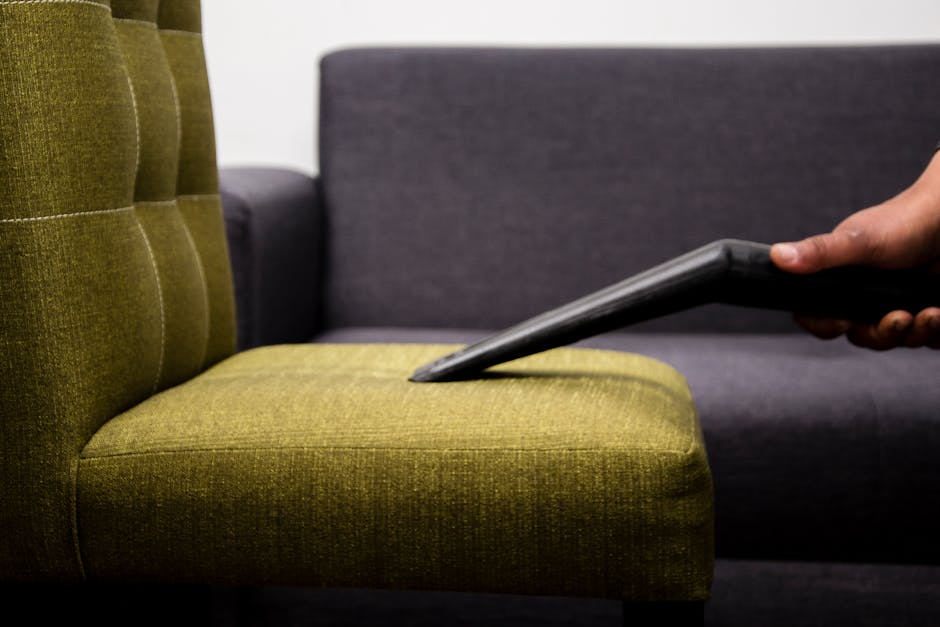
- Upholstery vacuum attachments: useful for seams, buttons, cushions, and tight corners.
- Textile-safe pre-sprays: help loosen grease, body oils, and everyday grime.
- Microfibre cloths: good for controlled spot treatment and blotting.
- Soft brushes: useful when a gentle lift is needed without damaging fibres.
- Extraction or low-moisture cleaning equipment: chosen according to fabric type and condition.
- Air movement for drying: simple, practical, and often underrated.
If you are booking a service, useful supporting pages on the same site include pricing and quotes, insurance and safety, and the company's about us page. Those pages help with the boring-but-important questions: how the service is priced, how safety is handled, and who is actually doing the work.
For more specialised textile issues, it may also be worth looking at pet stain odour removal and curtain cleaning. Not because every job needs both, but because furniture, curtains, and rugs often share the same dust and odour patterns in a room.
Law, Compliance, Standards, or Best Practice
Upholstery cleaning is not usually a heavily regulated activity in the way that medical or legal services are, but responsible cleaners still follow clear best practice. In the UK, that means taking safety seriously, choosing suitable chemicals, and being careful around electrical equipment, fabric sensitivity, and wet floors.
Good practice typically includes:
- checking whether the fabric is suitable for wet cleaning
- using products according to manufacturer guidance
- reducing slip risk from damp floors or overspray
- handling any electrical leads or sockets safely around the work area
- working in a way that avoids damage to seams, trims, and delicate finishes
- being clear about what can and cannot be removed
For customers, it is sensible to choose a provider that gives sensible expectations rather than dramatic guarantees. If a cleaner makes every stain sound removable, that is usually a warning sign. Real expertise often sounds a bit calmer.
If you want to see how a provider approaches accountability and customer care, pages like terms and conditions and complaints procedure can be helpful. They are not exciting reading, granted, but they show how the business handles real-world issues if something does not go to plan.
Options, Methods, or Comparison Table
Different upholstery materials and stain levels call for different approaches. Here is a simple comparison to make the choices easier.
| Method | Best for | Strengths | Limitations |
|---|---|---|---|
| Hot water extraction | Durable, heavily soiled upholstery | Strong soil removal, effective on embedded grime | Needs controlled moisture and proper drying time |
| Low-moisture cleaning | Delicate or quicker-turnaround jobs | Reduced drying time, gentler on some fabrics | May be less effective on severe staining |
| Spot treatment only | Small isolated marks | Quick and targeted | Won't refresh the full item |
| Dry textile cleaning | Very moisture-sensitive fabrics | Useful where wet methods are risky | Not suitable for every type of dirt |
There is no universal winner. The best choice depends on the material, the age of the stain, and the amount of wear. A heavy family sofa and a lightly used guest chair are not the same job, even if they sit in the same room.
Case Study or Real-World Example
Here is a practical Hampton Wick example based on a typical upholstery cleaning job structure, with the details kept general rather than exaggerated. A family living room had a three-seater fabric sofa and two armchairs that had picked up years of everyday use. The main issues were dullness on the seating areas, a couple of food marks on one cushion, and a lingering stale smell that was more noticeable in the evening than in daylight.
The inspection showed that the fabric was suitable for a careful wet clean, but one seat cushion had slightly more delicate pile than the others. That changed the approach immediately. Instead of treating all seats the same, the cleaner used targeted pre-treatment on the marked sections, then worked across the whole sofa in a controlled way so the finish would look even rather than "patched up".
During the job, the biggest improvement came from soil removal rather than stain magic. That is often the case. Once the embedded dirt was lifted, the original colour became clearer and the room looked brighter. One mark near the armrest faded dramatically, while an older faded ring only improved partially. That was expected and explained clearly at the outset.
The end result, after drying, was a fresher-looking sofa with a more even tone, noticeably cleaner seating areas, and a softer overall feel than the owners had feared. The stale smell was reduced as well. Not masked. Reduced. That distinction matters.
The owners were not expecting a brand-new item, and that was wise. What they got was a cleaner, more presentable sofa that fit the room again. It looked cared for, which is usually the real goal. The chairs followed the same pattern: not perfect, but clearly improved. And honestly, that is what good upholstery cleaning often looks like in real life.
Practical Checklist
Use this checklist before booking or carrying out upholstery cleaning.
- Check the fabric type and any care label information.
- Identify visible stains, odours, and high-wear zones.
- Decide whether a full clean or spot treatment is needed.
- Move nearby items away from the work area.
- Vacuum all surfaces, seams, and cushions thoroughly.
- Confirm whether the method suits delicate or moisture-sensitive fabrics.
- Ask how drying will be handled.
- Make sure the room has enough airflow.
- Do not sit on the upholstery too early.
- Inspect the final finish in daylight if possible.
A small tip: if you are also dealing with rugs or curtains in the same room, think about the full textile picture rather than cleaning one item in isolation. A room can still feel tired if only the sofa is treated. For that wider refresh, rug cleaning and window cleaning can help the space feel genuinely brighter.
Conclusion
The best upholstery cleaning job case study Hampton Wick end result is never just about a before-and-after photo. It is about whether the fabric looks cleaner, smells fresher, feels better, and still behaves like a usable piece of furniture once the job is done. That is the standard that really matters.
If the work is approached carefully, with the right inspection, suitable method, and proper drying, upholstery cleaning can make a surprisingly big difference to a home or business space. It is one of those services that quietly improves daily life. You notice it every time you sit down, which is probably the point.
Get a free quote today and see how much you can save.
For readers comparing their options, a good next step is to review the service details, check the company's approach to safety and pricing, and then choose the method that suits the fabric rather than the other way around. That's the sensible route, and it usually pays off.
Frequently Asked Questions
What does an upholstery cleaning job case study Hampton Wick end result actually show?
It shows the practical outcome of a real cleaning job: how the fabric looked, how much the marks improved, how it felt after drying, and whether the finish was even and usable.
How clean should a sofa look after upholstery cleaning?
A sofa should look noticeably fresher and more even, but not every stain will disappear. The best result is a clean, natural finish rather than an over-processed one.
How long does upholstery take to dry?
Drying time depends on the fabric, the method used, room temperature, and airflow. In many cases it takes several hours, but delicate or heavily cleaned items can take longer.
Can old stains be removed from upholstery?
Sometimes they can be improved a lot, sometimes only partly. Age, stain type, previous cleaning attempts, and fabric sensitivity all affect the final outcome.
Is steam cleaning safe for all upholstery?
No. Some fabrics handle moisture well, while others need a low-moisture or specialist approach. A proper inspection should come first.
Will upholstery cleaning remove bad smells?
It can reduce common odours caused by daily use, spills, or pets, but deeply set smells may need more targeted treatment.
How often should upholstery be cleaned?
That depends on use. Busy family furniture, pet households, and rental properties usually benefit from more regular cleaning than lightly used guest chairs.
What is the difference between upholstery cleaning and sofa cleaning?
Sofa cleaning is usually a specific type of upholstery cleaning focused on sofas. Upholstery cleaning covers a wider range of fabric furniture, including chairs and settees.
Can I use the furniture straight after cleaning?
It is better to wait until the upholstery is fully dry. Using it too soon can flatten fibres and reduce the quality of the result.
How do I know if a cleaner is being honest about the end result?
They should explain what is likely to improve, what may only partly improve, and what risks exist for the fabric. Clear expectations are a good sign.
What should I ask before booking upholstery cleaning in Hampton Wick?
Ask about the cleaning method, drying time, stain handling, fabric suitability, and whether the provider has clear pricing and safety information.
Is upholstery cleaning worth it for older furniture?
Often yes, if the frame and fabric are still in usable condition. A good clean can extend the life of furniture and make an old item feel worth keeping a bit longer.