What to know about sewage stains and emergency cleaning Kingston
Sewage stains are one of those problems you hope never land on your floor, carpet, or upholstery. Then they do. And suddenly the room smells, the surface looks ruined, and you are left wondering what is safe to touch, what can be saved, and how quickly you need help. If you are looking for what to know about sewage stains and emergency cleaning Kingston, this guide walks you through the real-world essentials: the risks, the cleanup process, what to avoid, and how to make a sensible decision under pressure.
Truth be told, sewage contamination is not a normal stain. It is a hygiene issue first, a cleaning issue second. That changes everything. The wrong move can spread contamination, drive odour deeper into fibres, or make a simple cleanup much more complicated. Below, you will find practical advice written for homeowners, landlords, tenants, business owners, and anyone dealing with the kind of mess that makes you stop and say, "Right. What now?"
Table of Contents
- Why sewage stains matter so much
- How emergency sewage cleaning works
- Key benefits of fast professional response
- Who needs this and when it makes sense
- Step-by-step guidance
- Expert tips for better results
- Common mistakes to avoid
- Tools, resources and recommendations
- Law, compliance, standards, and best practice
- Options and method comparison
- Case study example
- Practical checklist
- Conclusion
- Frequently asked questions
Why What to know about sewage stains and emergency cleaning Kingston Matters
Sewage stains matter because they usually mean more than visible discolouration. They can indicate a backflow from drains, a toilet overflow, a blocked waste line, or contaminated water entering a room through flooring, grout, skirting, or soft furnishings. That means bacteria, unpleasant odour, and possible hidden contamination beneath the surface.
In a Kingston home, the problem can appear small at first: a brownish mark on carpet edging, a patch near a bathroom, a damp line around a floor threshold. But sewage moisture travels. It wicks into underlay, creeps under laminate, settles into porous grout, and leaves a smell that seems to appear more strongly at night or when heating is on. If that sounds familiar, you are not imagining it. Warm air can make residual odour much more noticeable.
The practical reason to act quickly is simple: the longer contamination remains, the more likely it is to spread and the harder it becomes to restore the area properly. There is also the human side. Nobody wants children, pets, guests, or staff exposed to a contaminated room longer than necessary.
Expert summary: sewage staining is best treated as a contamination incident, not just a cosmetic stain. Fast isolation, safe removal, deep cleaning, and proper drying usually matter far more than scrubbing harder.
If you need a broader clean after a contamination event, a deep cleaning service is often part of the recovery plan. For carpets specifically, see the dedicated carpet cleaning option, and for especially stubborn marks, stain removal is often the right next step once the area has been made safe.
How What to know about sewage stains and emergency cleaning Kingston Works
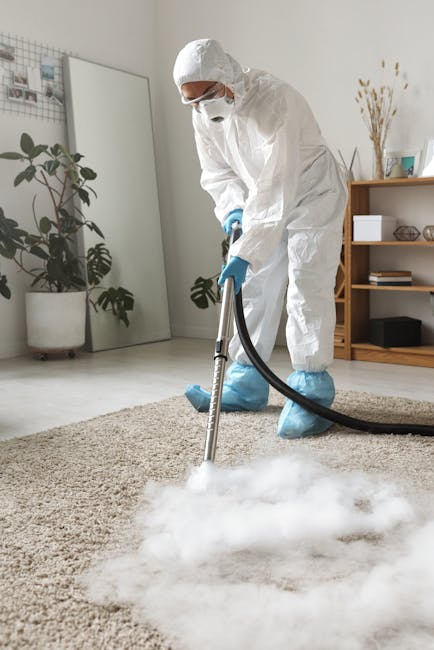
Emergency sewage cleaning usually follows a containment-and-restoration approach. First comes safety and assessment. Then comes removal of contaminated waste, cleaning of the affected surfaces, deodorising, and drying. If the contamination has soaked into carpet underlay, timber, or plasterboard, more invasive work may be needed. The aim is not just to make the room look better; it is to restore it to a sanitary condition.
In practice, a technician will normally look at four things: how far the contamination has spread, what materials are affected, whether the source is still active, and whether the item can be safely cleaned or needs disposal. A washable hard floor is one thing. A soaked carpet underlay is another. To be fair, that difference is what determines whether a room is saved quickly or whether more work is needed.
Cleaning methods vary depending on the material. Carpeted areas may need controlled extraction and sanitising. Hard surfaces may need disinfection and odour neutralisation. Upholstered items are more delicate, especially if moisture has reached the padding. In some cases, professional upholstery cleaning can help, but only if the contamination has not penetrated too deeply. For sofas that have absorbed the smell, sofa cleaning or even pet stain odour removal style deodorising techniques may be needed when the issue is mixed with lingering organic smells.
Sometimes the source of the stain is not a dramatic flood but repeated minor leakage. A small recurrent issue can leave a dark ring, a greyish edge, or a musty patch long before anyone notices a proper backup. That is why the cleanup process usually includes identifying the source, not just treating the surface.
Key Benefits and Practical Advantages
Fast emergency cleaning gives you more than a tidier room. It limits damage, reduces odour spread, and helps prevent contamination from settling into materials that are expensive to replace. That alone can save a lot of stress later.
- Better hygiene: contaminated residue is removed from surfaces rather than being masked.
- Lower risk of lingering smells: odour tends to cling to fibres, padding, and underlay if left too long.
- Reduced secondary damage: quicker drying helps protect floors, skirting, and subfloors.
- Clearer decisions: you can identify what is salvageable and what is beyond safe cleaning.
- Less disruption: the room can often return to use sooner, which matters in busy households and commercial premises.
There is another benefit people often miss: confidence. Once the contamination is dealt with properly, you stop second-guessing the room. You stop sniffing the air every ten minutes. You stop wondering whether the stain is getting worse. Small thing, maybe, but it matters when you live or work there.
For landlords, agents, and business owners, a prompt response can also help keep a property presentable for inspections, handovers, or customer use. In those situations, a broader one-off cleaning visit can support the emergency work, especially if the incident affected hallways, entrance areas, or shared access points. If the issue happened in a workplace, office cleaning may be relevant too, because contaminated flooring in a staff area is not something to leave hanging around.
Who This Is For and When It Makes Sense
This topic is relevant to anyone dealing with wastewater on indoor surfaces, but some situations come up again and again:
- Homeowners: after toilet backflow, drain overflow, or a failed waste pipe.
- Tenants: when a rented property has a contamination issue and you need a sensible record of what was done.
- Landlords and letting agents: when a property needs safe reinstatement before reoccupation.
- Business owners: if a washroom, staff room, or customer area has been contaminated.
- Property managers: when communal spaces need a rapid, discreet response.
It also makes sense if the smell has become the main problem. Sometimes the visible mark looks manageable, but the air tells a different story. That lingering sewage odour can travel through the room and make the whole place feel unclean, even after a surface wipe-down.
If the area is shared, such as an entrance hall or communal landing, the response should be more careful. In those cases, communal area cleaning may be a useful follow-up once the immediate contamination is dealt with. For domestic settings with broader household impact, domestic cleaning can help reset the rest of the property after the emergency is under control.
Step-by-Step Guidance
If you are dealing with sewage stains right now, do not rush into scrubbing. Start calmly and move in a sensible order. Here is the practical sequence that usually makes the biggest difference.
- Keep people and pets away. Close the room off if possible. If the contamination is active or strong-smelling, ventilate without creating a mess by blowing air across the spill.
- Stop the source if it is safe to do so. If the problem is still flowing, reduce the cause where you can. If not, skip this and wait for help.
- Protect yourself. Use gloves and avoid touching contaminated fabric, grout, or water directly. If splashing occurred, change clothes afterwards. It sounds obvious, but people forget in the moment.
- Remove loose waste carefully. Do not drag contaminated material through the property. Bag it securely if it is disposable and safe to handle.
- Blot, do not grind. For surface moisture, absorb what you can rather than scrubbing it deeper into fibres or seams.
- Clean and sanitise. Use appropriate products for the surface. Hard floors, carpets, and upholstery each need different handling.
- Dry thoroughly. Air movement and dehumidification matter. A damp floor that looks fine at noon can smell far worse by evening.
- Check adjacent materials. Look at skirting, underlay, nearby furniture legs, and any seams where liquid could have travelled.
- Assess whether the item is still safe. Some materials can be restored. Some, honestly, should not be kept.
If the contamination has affected a carpeted room, steam carpet cleaning may be part of the recovery process, but only after the waste has been removed and the area is safe. For items with set-in marks around the room edges, a targeted rug cleaning or mattress cleaning approach may be needed if those items were in the splash zone.
One small but useful habit: take photos before anything moves if you need a record for an insurer, landlord, or managing agent. You do not need a whole photo essay. Just enough to show the problem clearly.
Expert Tips for Better Results
A few field-tested habits make sewage stain cleanup much more successful. Nothing fancy. Just the sort of things that separate a decent result from a half-fixed one.
- Act on the smell, not just the stain. Odour is often the better clue that contamination has travelled beyond what you can see.
- Check the underlay and edges. Visible surface cleaning can miss what has soaked sideways.
- Use the right drying method. Heat alone can lock in smells if the moisture is not removed first.
- Treat porous materials cautiously. Fabric, unfinished wood, and some foams hold contamination far longer than tiles or sealed vinyl.
- Do not mix cleaning products. If you are unsure what has already been used, stop and reassess rather than layering chemicals.
- Keep the room simple. The less traffic across the area, the less risk of spreading residue elsewhere.
Here is a practical observation from everyday jobs: the room often looks worst right after the incident, then appears "fine enough" after a quick clean. That is the trap. A quick surface clean can hide the issue temporarily, while the smell or staining comes back a day later. Not ideal. Not at all.
If the stain is on a hard surface, a proper hard floor cleaning approach is often cleaner and safer than a general wipe-down, especially on grout lines or textured flooring. For damaged fixtures or surrounding surfaces, house cleaning can help restore the broader room once the contamination source has been handled.
Common Mistakes to Avoid
The biggest mistake is trying to treat sewage like an ordinary spill. It is not. And that difference matters more than people expect.
- Scrubbing too aggressively: this can force contamination deeper into fibres and seams.
- Using perfume to cover odour: masking smell is not the same as removing contamination.
- Ignoring subflooring: the visible patch may be small while the moisture below is much larger.
- Drying too slowly: lingering dampness encourages odour and secondary issues.
- Keeping contaminated soft furnishings without checking them: some items recover, some do not. It depends on saturation and material.
- Waiting too long to call for help: that "I'll deal with it later" approach tends to cost more in the end.
Let's face it, most of these mistakes are made because people are trying to get the room usable again quickly. That is understandable. But speed without the right method can make the job messier, more expensive, and frankly more unpleasant.
If the incident happened during a move, or just before handover, it may be worth combining emergency cleaning with move out cleaning or end of tenancy cleaning so the property is dealt with in one coherent plan rather than piecemeal.
Tools, Resources and Recommendations
You do not need a van full of specialist kit to understand what is happening, but the right tools do make a difference. In practical terms, the following items are commonly useful:
- Disposable gloves
- Protective footwear
- Absorbent paper or clean cloths
- Sealable waste bags
- Air movers or fans for safe drying
- Dehumidification equipment where moisture is significant
- Suitable sanitising products for the surface type
- A torch for checking seams, corners, and under furniture
For a property-wide reset after contamination, some customers also look at regular cleaning once the emergency has passed, simply because the room has usually taken a hit and needs ongoing attention. If the issue affected the windows or made the place feel stuffy from prolonged airing, window cleaning may sound unrelated, but a clear, bright room often feels better after an incident. Small things add up.
For homes that need a broader refresh after a messy event, one-off cleaning can be a sensible add-on. If the incident happened in a kitchen-adjacent or utility space, services like oven cleaning are not directly about sewage, of course, but they can be useful when the whole property needs putting back together properly afterwards.
Law, Compliance, Standards, or Best Practice
When sewage contamination is involved, the important point is not to overstate legal detail, because requirements can vary depending on the setting and the nature of the property. That said, good practice in the UK generally means treating contaminated waste responsibly, protecting occupants and workers from exposure, and disposing of affected items in a safe way.
For landlords and managing agents, there is also a duty of care angle. You want the property returned to a habitable and hygienic state without delay, and you want a sensible record of what happened and what was done. In commercial settings, the same principle applies even more strongly because staff and customers should not be exposed to avoidable hazards.
Professional cleaners should also work with appropriate insurance and safety procedures. If you are choosing a provider, it is reasonable to ask how they handle contamination, how they separate clean and dirty areas, and what they do when an item cannot be safely restored. A transparent company should be comfortable discussing that. If they seem vague, that is not a great sign.
You can also review a provider's own operational commitments through pages like health and safety policy, insurance and safety, and terms and conditions where available. For practical reassurance about how a company handles personal data during an enquiry, privacy policy is worth checking too. It may not be the most exciting read on a bad day, but it tells you a lot about how seriously the business takes process.
Options, Methods, or Comparison Table
Different contamination situations call for different responses. A quick comparison helps clarify what is likely to work best.
| Method | Best for | Strengths | Limitations |
|---|---|---|---|
| Basic surface wipe-down | Very minor, contained residue on non-porous surfaces | Fast and simple | Often insufficient for sewage contamination; may miss hidden residue |
| Professional sanitising and extraction | Carpets, rugs, and mixed indoor surfaces | Cleans deeper and helps reduce odour | May not save heavily soaked underlay or padding |
| Targeted stain removal | Visible marking after contamination is controlled | Improves appearance and helps with localised staining | Only effective once the area is already safe |
| Upholstery or soft furnishing treatment | Sofas, chairs, mattresses with light-to-moderate exposure | Can restore items that would otherwise be replaced | Not suitable if contamination has penetrated deeply |
| Replacement of affected materials | Saturated underlay, heavily contaminated porous items, or unsafe fabrics | Most reliable for hygiene and odour removal | More costly and disruptive |
A simple rule helps here: the more porous the material, the more cautious you should be. That is why a carpet edge can sometimes look fine after treatment but still hold odour, while a sealed floor can recover much more reliably.
Case Study or Real-World Example
A typical Kingston call-out might start with a homeowner noticing a foul smell in a downstairs hallway after a minor toilet backup. At first glance, the carpet edge only shows a dull stain near the skirting. No drama, or so it seems. But once the area is checked, the damp has spread underneath a small section of underlay and into the room threshold.
The sensible response is not to attack the mark with random products. The contaminated section is isolated, the source issue is addressed, and the soft flooring is cleaned and assessed properly. The visible staining improves, the odour drops, and the room can be used again without that lingering "what is that smell?" feeling that, to be honest, can drive anyone a bit mad.
In another common scenario, a shared entrance area in a small block of flats is affected by waste overflow from a service cupboard. The visual staining is not huge, but because the area is communal, the response needs to be quick and discreet. A combined approach using communal area cleaning and careful sanitising prevents the problem from becoming a wider complaint from residents. That is where experience matters: not just cleaning the mark, but managing the situation calmly for the people around it.
Every case is different, of course. But the pattern is consistent: early action saves time, protects materials, and avoids the awkward surprise of the smell returning two days later. Nobody wants that little sequel.
Practical Checklist
Use this checklist if you are dealing with sewage stains and need to act quickly.
- Keep the area closed off to people and pets
- Identify whether the contamination is still active
- Wear gloves and avoid direct contact
- Remove or protect nearby clean items
- Blot visible moisture carefully
- Avoid scrubbing contaminated fibres or grout aggressively
- Check under furniture, along skirting, and at room edges
- Clean and sanitise with suitable products for the material
- Dry the area thoroughly and keep an eye on odour returning
- Document the incident if you need records for a landlord, insurer, or managing agent
- Arrange professional help if the source, smell, or spread is beyond a small isolated mark
If the issue is broader than a single room and you want the property back to a normal standard quickly, it may also make sense to combine the emergency response with house cleaning or, where furnishings have been affected, rug cleaning. Sometimes the best outcome comes from tackling the whole picture instead of chasing one visible stain at a time.
Conclusion
What to know about sewage stains and emergency cleaning Kingston comes down to a few simple truths: sewage is a hygiene issue, speed matters, hidden spread is common, and the right method depends on the material. A surface may look manageable while still hiding contamination underneath. That is why careful assessment, safe handling, and proper drying are so important.
If you remember only one thing, let it be this: do not treat sewage like an ordinary stain. The cleaner the response, the better the chances of saving materials, avoiding smell, and restoring the room without unnecessary drama. And yes, sometimes the boring, methodical approach is the one that works best. Funny how that happens.
Get a free quote today and see how much you can save.
For more background on the company behind these services, you can also visit about us or use the contact us page if you want to talk through a specific situation. A quick conversation can save a lot of guesswork, and that alone is worth it.
Frequently Asked Questions
What should I do first if I find a sewage stain in my home?
Keep the area clear, avoid touching the contamination directly, and stop people or pets from walking through it. If it is still active, do not try to force a cleanup before the source is controlled.
Can a sewage stain be cleaned, or does the damaged material need replacing?
It depends on the surface and how far the contamination has spread. Sealed hard floors often respond better than porous materials. Carpets, underlay, and soft furnishings may be salvageable if exposure is limited, but heavy saturation usually changes the answer.
Is a sewage stain dangerous even if it looks small?
Yes, potentially. Small visible marks can hide contamination underneath, especially in carpet edges, seams, or flooring joints. The smell may be the bigger warning sign than the stain itself.
How quickly should emergency cleaning happen after sewage contamination?
As soon as possible. The longer waste or contaminated moisture remains, the greater the chance of odour, staining, and deeper spread into materials.
Will regular household cleaners remove sewage stains?
Not reliably. Some products may improve the appearance, but they do not necessarily sanitise the area properly or remove hidden residue. That is why a more careful method is usually needed.
Why does the smell come back after I clean it?
Usually because contamination remains in underlay, padding, grout, or another hidden layer. A surface-only clean can make the room look better while leaving the source of the odour behind.
Can I stay in the room after sewage cleaning?
If the area has been properly cleaned, dried, and made safe, it may be fine to re-enter. If there is still a strong smell, dampness, or uncertainty about contamination, it is better to keep the room out of use a little longer.
What type of flooring is hardest to restore after sewage damage?
Porous materials are the trickiest, especially carpets, underlay, unfinished timber, and some upholstered items. Sealed, non-porous surfaces are usually easier to clean thoroughly.
Should I take photos before cleaning starts?
Yes, if you need a record for a landlord, managing agent, insurer, or property file. A few clear photos before and after treatment are often enough.
What if the sewage stain is in a communal area or business premises?
Then speed, discretion, and hygiene become even more important. Shared spaces often need a coordinated response, and a service such as commercial cleaning or commercial carpet cleaning may be appropriate depending on the surface involved.
How do I know if the item is worth saving?
Look at the material, the amount of contamination, how long it has been there, and whether the smell has penetrated deeply. If in doubt, a professional assessment is usually the safer call than guessing.
Can sewage stains affect more than the visible area?
Absolutely. Liquid can spread sideways under flooring, into seams, behind skirting, and through adjacent furnishings. That is why proper inspection matters so much.